How to Write a Hook for Short-Form Video: 12 Patterns That Work
The first three seconds decide whether anyone sees the rest. Here is what a hook has to do, twelve patterns you can adapt, and the mistakes that make viewers swipe away.
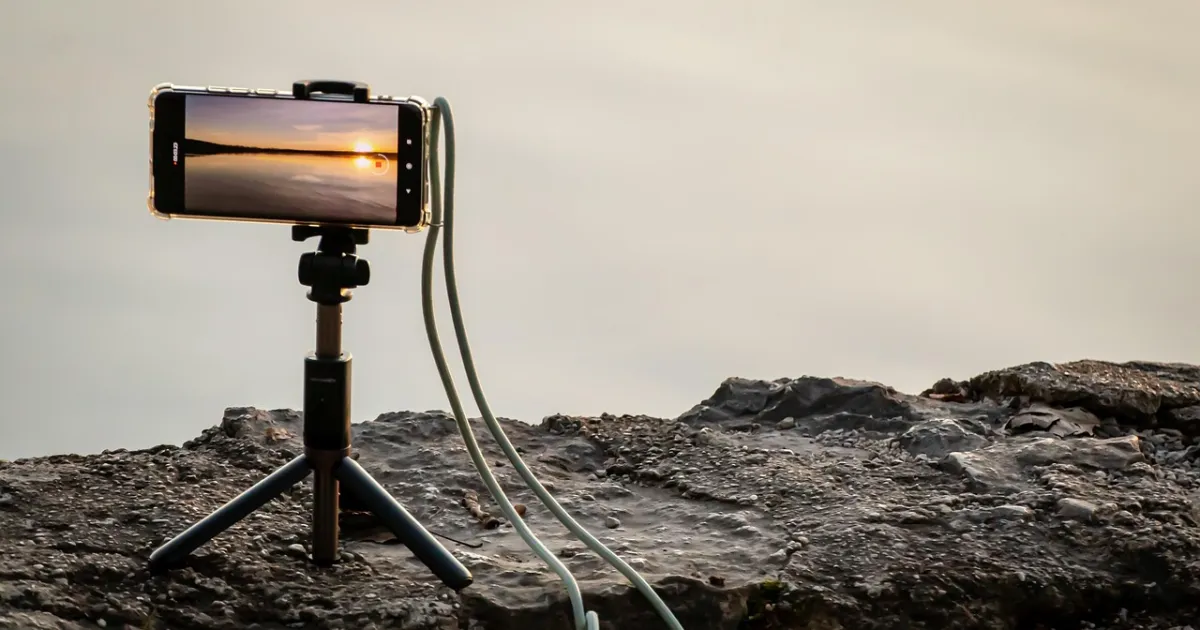
In a feed of vertical videos, nobody has to watch yours. The viewer's thumb is already moving, and your opening has a second or two to give a reason to stay. That opening is the hook. It is not a trick or a gimmick; it is a promise about what the next thirty seconds will deliver, made fast enough to matter.
What a hook has to do
A good hook does three jobs at once:
- Stop the scroll. Something in the picture or the first words breaks the pattern of the feed.
- Make a promise. The viewer understands what they will get: an answer, a result, a story, a laugh.
- Open a loop. There is a question in their head that only the rest of the video can close.
If your hook does the first job but not the other two, you get people who stop and then leave. If it makes a promise the video does not keep, you get people who feel tricked. Both show up as poor retention.
12 hook patterns
| Pattern | Example | Works for |
|---|---|---|
| Start with the result | "This is what 30 days of practising one chord looks like." | Transformations, tutorials |
| The direct question | "Why does every hotel room have the same lamp?" | Explainers, trivia |
| The counterintuitive claim | "Watering your plants every day is killing them." | Advice, myth-busting |
| The specific number | "3 settings I change on every new phone." | Lists, tips |
| Mid-action start | Open on the moment the cake collapses, then rewind | Stories, fails, process |
| The mistake | "You've been folding fitted sheets wrong." | How-tos |
| The stakes | "If this glue fails, the whole shelf comes down." | Experiments, builds |
| The relatable moment | "When the recipe says 'season to taste' and you have no taste." | Comedy, lifestyle |
| The reveal promise | "Wait for the last one." | Lists, rankings (only if the last one is genuinely best) |
| The comparison | "$5 knife vs $150 knife." | Reviews, tests |
| The story opener | "I found a letter in a book I bought for a dollar." | Storytelling, faceless narration |
| The visual hook | An unusual close-up with no words for the first second | Satisfying, ASMR, art |
Match the picture to the words
Many viewers watch with the sound off, and everyone sees the first frame before they hear anything. The opening shot should carry the hook on its own:
- Put the subject in the first frame. If the video is about a cake, the cake is on screen at second zero.
- Add an on-screen line that states the hook in a few words, in large, readable text placed away from the edges where buttons and captions sit.
- Move early. A cut, a zoom or motion in the first second signals that something is happening.
Write the hook last
It sounds backwards, but it works. Write the body of the video first: the one idea, the steps, the payoff. Then ask, "What is the most interesting true thing in this video?" That is usually your hook. Write three or four versions and read them out loud; the one you would stop for is the one to film.
Mistakes that make people swipe
- The slow intro: "Hey guys, welcome back, today we're going to talk about..." Get to the point; greetings can come later or not at all.
- The empty tease: promising a shock that never comes. It may win the first second and lose the account.
- Too much at once: three ideas in the first line. One clear promise beats a crowded one.
- Logo or title cards: branding at the start costs you the most valuable seconds.
- A hook that belongs to a different video: if the hook and the content do not match, retention drops right after the opening.
How to tell if your hooks work
Most platforms show creators a retention graph or a figure for how many viewers kept watching after the first seconds. Look at where the line drops. A steep fall right at the start points to the hook; a slow slide in the middle points to pacing. Change one thing at a time: the same topic with a different opening tells you more than a completely new video.
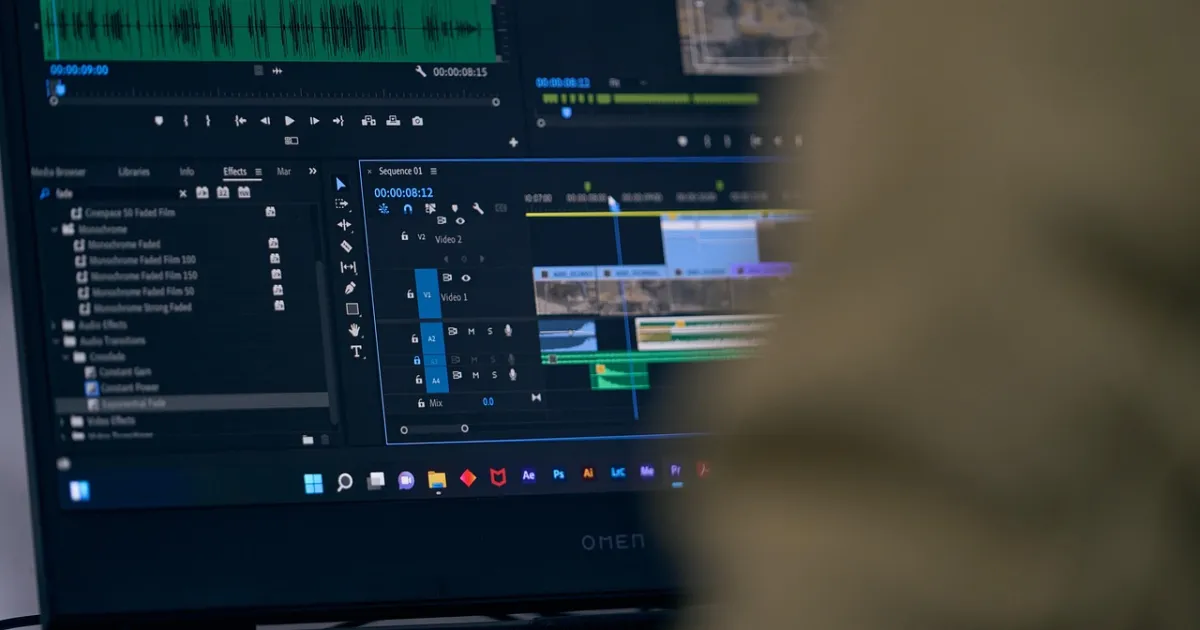
If you are planning a channel without showing your face, the hook carries even more weight. Our guide on starting a faceless channel covers formats where voice and visuals have to do all the work.
FAQ
How long should a short-form video hook be?
Aim for the first one to three seconds. The goal is that a viewer understands what the video promises before they decide to swipe.
Should a hook be spoken or on screen?
Ideally both. Many people watch without sound, so put the hook in the first frame and in on-screen text, and say it out loud as well.
What is the best hook for a tutorial?
Showing the finished result first works well: the viewer sees what they will be able to do, then watches how.
Can a hook be too clickbaity?
Yes. If the video does not deliver what the hook promises, viewers leave early and are less likely to trust your next video.
 Faceless