What Is YouTube Automation? How It Works, Costs and Whether It Still Works
YouTube automation" rarely means a robot channel. It usually means a faceless channel where a team or AI tools handle scripts, voice and editing. How it works, what it costs and when it fails.
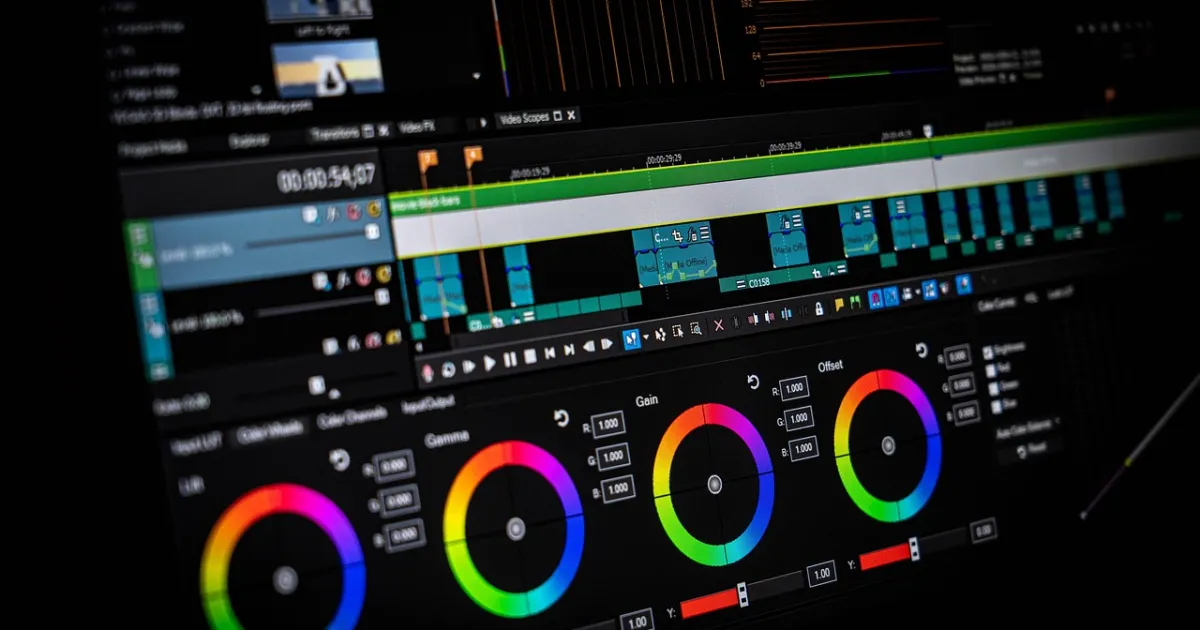
"YouTube automation" is a popular phrase for running a YouTube channel without appearing on camera and without doing every task yourself. Despite the name, nothing is fully automatic: someone still chooses topics, checks facts and decides what gets published.
What YouTube automation means
In practice it is a faceless channel business where the owner manages a workflow and outsources or speeds up the production steps:
| Step | Who or what does it |
|---|---|
| Niche and topic research | Owner, with keyword and trend tools |
| Script | Freelance writer or owner, often drafting with AI and editing by hand |
| Voiceover | Voice actor or text to speech |
| Editing and visuals | Freelance editor, stock footage, AI images or video |
| Thumbnail and title | Designer or owner |
| Upload and scheduling | Owner or assistant |
Step by step for beginners
- Pick a niche you can produce consistently and that viewers search for. See best niches for YouTube automation.
- Study 10 successful channels in the niche: video length, style, what their best videos have in common.
- Build a repeatable format: intro hook, structure, visual style, voice.
- Make the first 5–10 videos yourself so you understand every step before hiring.
- Write SOPs (checklists) for each task, then outsource one task at a time.
- Publish on a schedule and review retention and click-through rate monthly.
Starting on shorts first? See how to start a faceless channel.
Where AI tools help
- Research: summarizing sources, outlining (you still check every fact).
- Script drafts and title ideas.
- Voiceover: text to speech or AI voice generators.
- Visuals: AI video generators, image-to-video, captions.
- Editing helpers: silence removal, auto-captions, resizing.
Does YouTube automation work?
It can, but far less easily than "passive income" videos suggest.
- Monetization rules: the YouTube Partner Program does not reward mass-produced or repetitive content; YouTube calls this "inauthentic content" in its monetization policies. Template videos with the same voice and stock clips are at risk.
- Disclosure: YouTube asks creators to disclose realistic altered or synthetic content.
- Costs: paying writers, voice actors and editors adds up before the channel earns anything; many channels take months to reach the Partner Program thresholds.
- Quality wins: channels that last add real research, a distinct voice and original structure.
Can you do YouTube automation without making videos?
You can avoid filming and editing yourself by outsourcing, but you cannot avoid owning the content. Someone has to decide topics, approve scripts and check quality. The owners who succeed act like editors-in-chief, not absent investors.
Red flags
- Courses promising guaranteed income.
- Buying monetized channels or views.
- Reuploading other creators' videos with a new voice.
- Fully AI-written scripts published without fact-checking.
FAQ
What is YouTube automation?
A faceless channel model where the owner manages the workflow and outsources or speeds up scripting, voiceover and editing with freelancers or AI tools.
Does YouTube automation still work?
It can, but mass-produced, repetitive videos risk losing monetization as "inauthentic content"; channels that last add research, a distinct voice and original structure.
Can I do YouTube automation without making videos?
You can outsource filming and editing, but you still need to choose topics, approve scripts and check quality yourself.
 Faceless
 Faceless
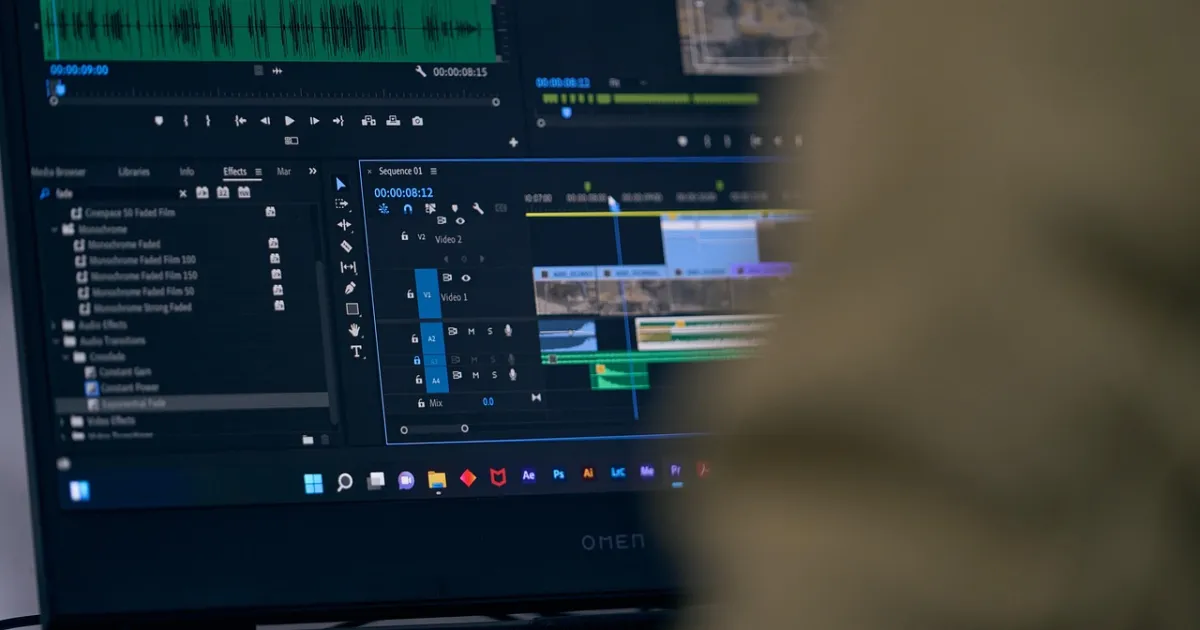 Faceless